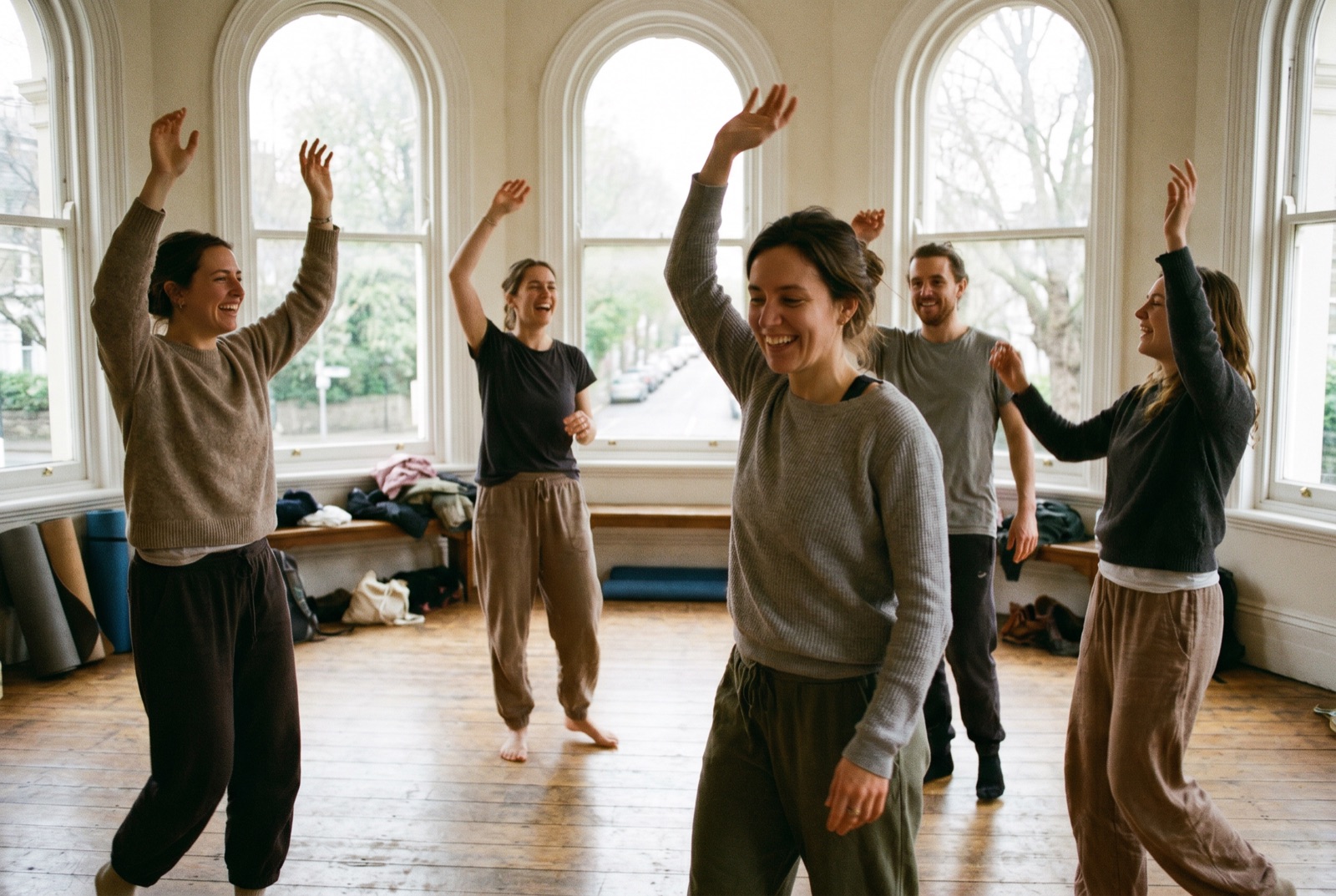
Restlessness, conflict and constant noise in the group room
Many educators are under enormous pressure every day: holding morning circle together, organising transitions, settling conflicts – and doing justice to every single child along the way. Sound familiar?
There’s Emma, who just can’t settle down in morning circle. The moment the group sits down, she jumps up – and everyone else’s attention goes with her.
Getting dressed and tidying up with Ben turns chaotic every single time. Transitions take forever – and drain energy you’re missing by the afternoon.
Mila and Leon are constantly clashing. Settling these conflicts takes energy – energy that’s missing elsewhere: for the children who are being quiet right now.
Usually it isn’t bad intent – it’s a lack of orientation.
Children today grow up with constant sensory overload – always input, always distraction. Without clear signals and rituals to guide their attention, their energy finds its own outlets: noise, movement, conflict.
All these situations add up to more than frustration – over time, they take a toll on educators’ health. Every disruption costs patience. Every loud day wears you down. And that is exactly what can change.
You’re probably trying much of this already
And much of it works – but not permanently, and rarely on its own:
Clear rules & rituals
Structure creates security – but rules alone don’t reach children whose bodies are full of unspent energy.
More staff
Extra hands would be valuable – but the staff shortage is real, and waiting isn’t a strategy.
Free play & small groups
Takes the pressure off the day – but only works if the group is generally able to settle.
All of this helps – and yet it often leaves you on your own. Better still: someone at your side who shows your whole team a proven way to stop restlessness from arising in the first place.
This is exactly where SmartDance training comes in: your team experiences first-hand how movement guides attention – and takes away methods that work without explaining, intervening or telling off.
“Tell me and I forget. Show me and I remember. Let me do it and I understand.” – Confucius
What your team can expect from the training
Simple methods
Movement and breathing exercises you can use straight away – in morning circle, during transitions, in restless moments. No materials, no preparation.
Understand what works
You’ll learn why movement regulates attention – explained clearly, without theoretical baggage, linked directly to practice.
Team-building dance workshop
Your colleagues experience dance as something that brings people together – and can even appear as surprise guests at the big show. That strengthens the team and its relationship with the children.
How the training works
In three steps from watching to using the methods yourselves – compact in a single session, right at your setting.
Understand what works
We show you the signals, energisers and rituals our instructors use to guide the attention of whole groups – and why it works.
Experience it yourselves
Through practical exercises and role play, your team tries out the methods for themselves. What you’ve felt in your own body, you don’t forget.
Bringing it into your day
Together we work out where the methods fit into your daily routine – morning circle, transitions, pick-up time. You go back to everyday work with a concrete plan.
What you’ll take away
What heads and teachers say
Videos in German – quotes translated.
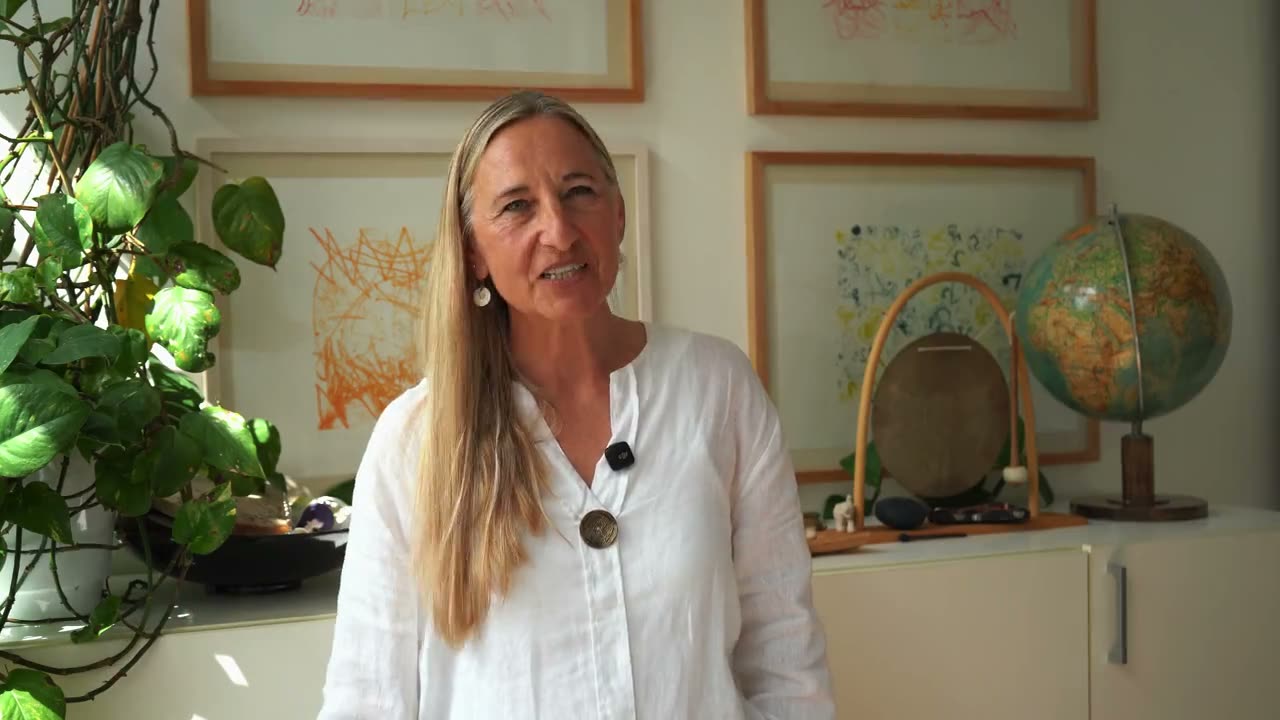 Head teacher
4:01
Head teacher
4:01
“Very straightforward, smooth communication, reliable partners. When the classes come back from their lessons, it’s nothing but thumbs up and smiling faces. I can really recommend it.”
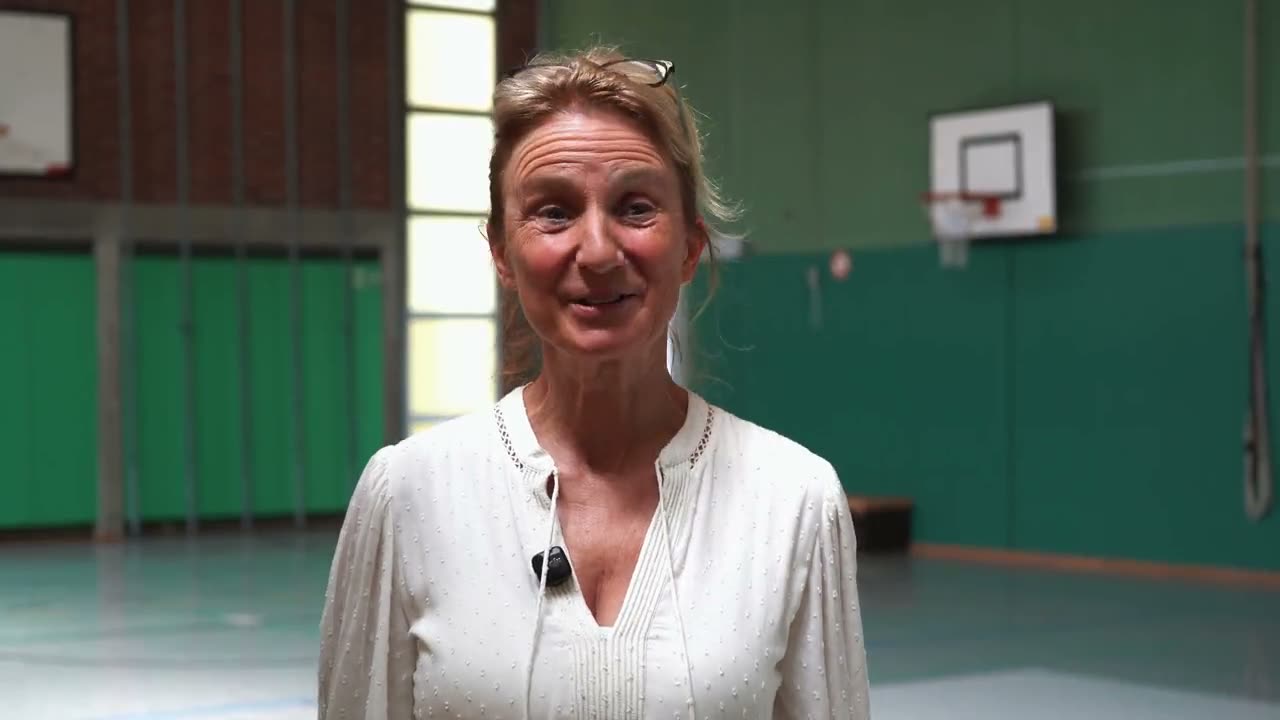 Teacher
2:29
Teacher
2:29
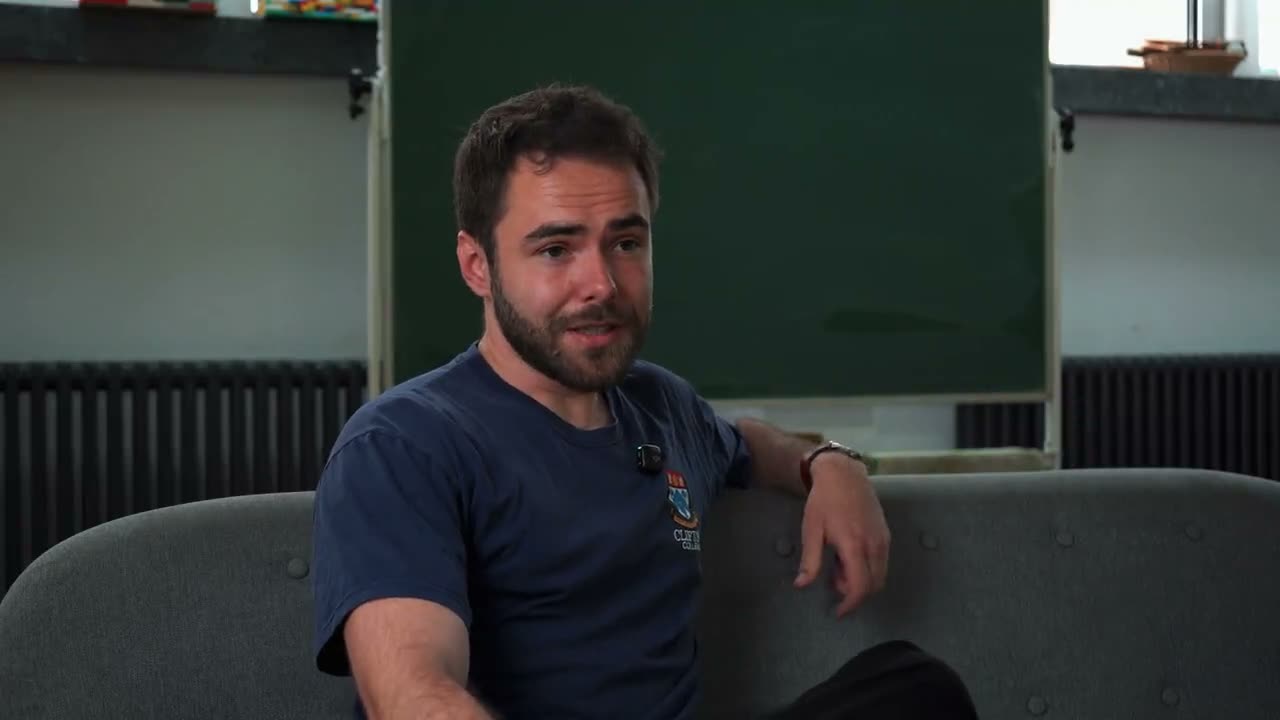
“Perfectly structured from a teaching point of view. Today even the boys joined in with real enthusiasm. You can feel how little children move these days – something like this is really, really important. Keep it up!”
 Teacher
1:57
Teacher
1:57
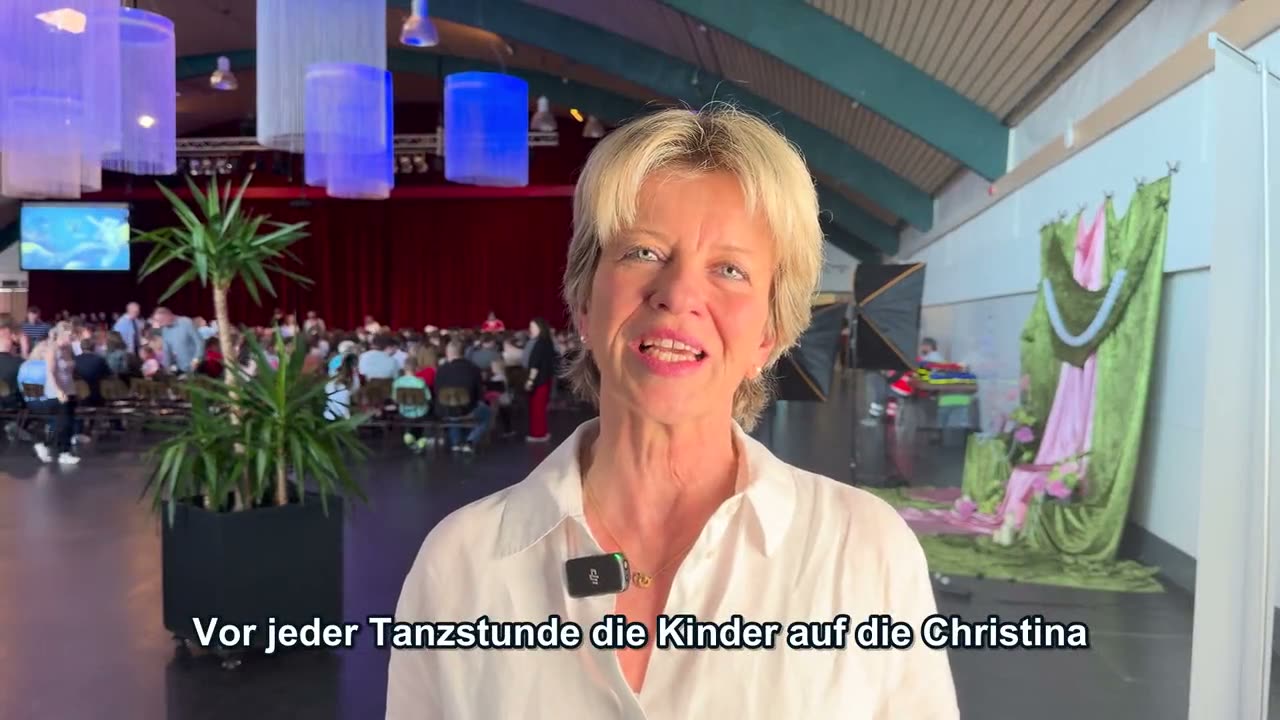
“Everyone does the moves, everyone joins in – even boys I’d never have expected it from. They kept practising the dance moves at break time. A really good project.”
 Head of daycare
1:20
Head of daycare
1:20
“SmartDance is a wonderfully successful project that Christina took on with a great deal of passion. I saw its beginnings first-hand at our kindergarten – and I’m impressed by how much it has grown.”
Voices from the teams
The movement freeze from the training is now a fixed ritual before lunch for us. It works every time – without us having to raise our voices.
I now see some children through completely different eyes. And the joint dance workshop did more for our team than any team day before it.
Finally a training session where we didn’t just sit and listen. The very next morning we tried out two of the exercises – and they work.
Frequently asked questions about the training
How to get started
In an initial call, you tell us what’s challenging your team most right now – and we put together a plan that fits your setting. Free and with no obligation.
Book an introductory call